

Once considered a drug for the elite, cocaine has become widespread across all social classes. On the market, a gram—which cost €100 in 2015—now sells for around €60, while its average purity has risen from 49% in 2013 to 73% in 2023. Purer, cheaper, and more widely available: the combination is explosive. We trace the path of the white powder from Colombia to France.
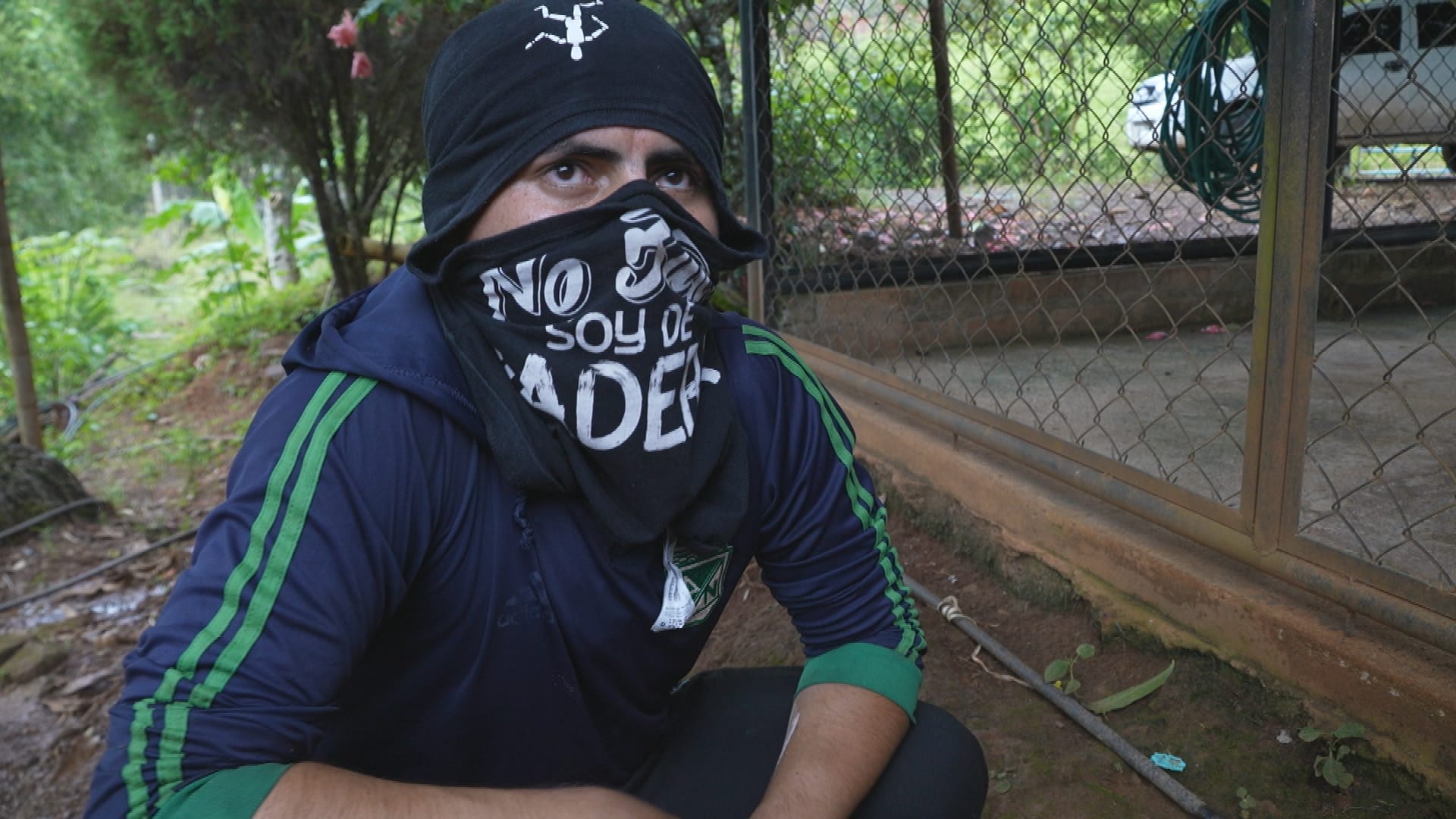
With 2,600 metric tonnes produced each year, Colombia remains the world’s leading producer of cocaine. We meet small-scale farmers in remote valleys, who harvest coca leaves under the watchful eye of armed factions. In remote valleys, we’ll meet small-scale farmers who harvest coca leaves under the watchful eye of armed factions. Once processed in laboratories, the cocaine is shipped to Brazil. In the port of Santos, traffickers are becoming increasingly ingenious in shipping their merchandise to Europe. Some use submarines; others hire divers capable of attaching bales of cocaine to the hulls of ships or conceal it inside furniture… To evade the authorities, traffickers are constantly devising new methods.
In Europe, the main entry points for the white powder are the ports of Antwerp, Rotterdam, and Le Havre. To move the drugs out of this maritime hub, the cartels now rely on accomplices: the dockworkers. As the only ones authorised to handle containers, they have become indispensable cogs in the trafficking machine. Some give in to the temptation of easy money; others act under duress.
To cut costs and minimise risks, a new phenomenon is emerging. Drug traffickers are shipping cocaine in the form of cocaine base paste and processing it directly in Europe in clandestine laboratories. A journey to the heart of the new cocaine routes.