

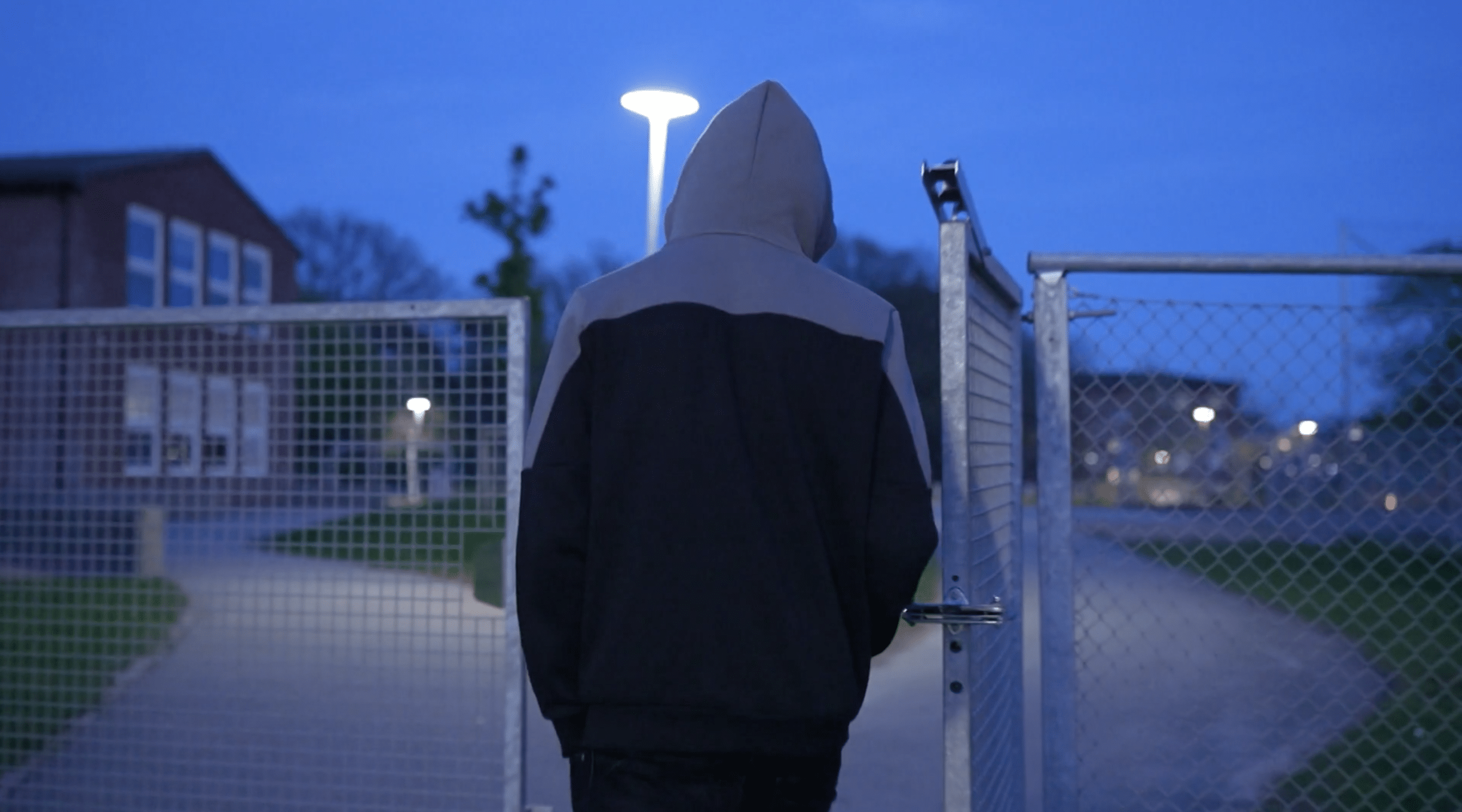
Peaceful and prosperous, Sweden has long been seen as the model welfare state, praised for its progressive, tolerant and inclusive values. But it’s also one of the most deadliest countries in Europe for gang violence. In the most deprived neighbourhoods, the epicentre of the violence, many residents feel abandoned by the state.
Michael is the kind of character you’d expect to meet only in the most violent neighbourhoods of Brazil or the United States. He works as a crime paparazzo by night and whenever a serious incident comes through on police frequencies, he rushes to the scene. “Since the beginning of this year, I’ve covered around maybe twenty to thirty shootings. These are just the ones that I myself have been covering, that’s not all the shootings.” Gothenburg has become one of the country’s key hubs for drug trafficking. It was here, in the early 2000s that the first turf wars between drug traffickers erupted. We spoke to one major trafficker based here. “All sorts of people want to work for us: elderly people, mothers and fathers, kids, all ages. But the younger ones are best. We pay them less, they’re reckless, they take more risks. There’s really no one better than them.”
Young offenders in Sweden benefit from a particularly lenient legal framework that prioritises rehabilitation over imprisonment. A minor under 18 convicted of a serious crime faces a maximum sentence of four years. Zaib, 17, is suspected of murder and has been placed in one of these centres. “I’ve been here five months. I’m allowed out on my own for an hour a day. I can make phone calls, I’ve got a tablet, I can go home at weekends.” Like all other inmates, he also has his own personal teacher and has received several personal assessments. Each young person here costs the state and local authorities €1,350 per day.
Over the past 30 years, the Kingdom of Sweden has taken in two and a half million foreigners fleeing wars in Africa, former Yugoslavia, the Balkans and the Middle East. The far right blame the generous asylum policy for fuelling violence and crime. But most of these migrants who arrived decades ago are properly integrated – only to find that their children have been denied the opportunities given to other Swedes. Despite their university degrees, Omar and Hassan are unable to find work. “We were told, if you study, everything will work out.” he laments. “The Swedish dream of getting an education, buying a house and a Volvo. But it was a lie.”